
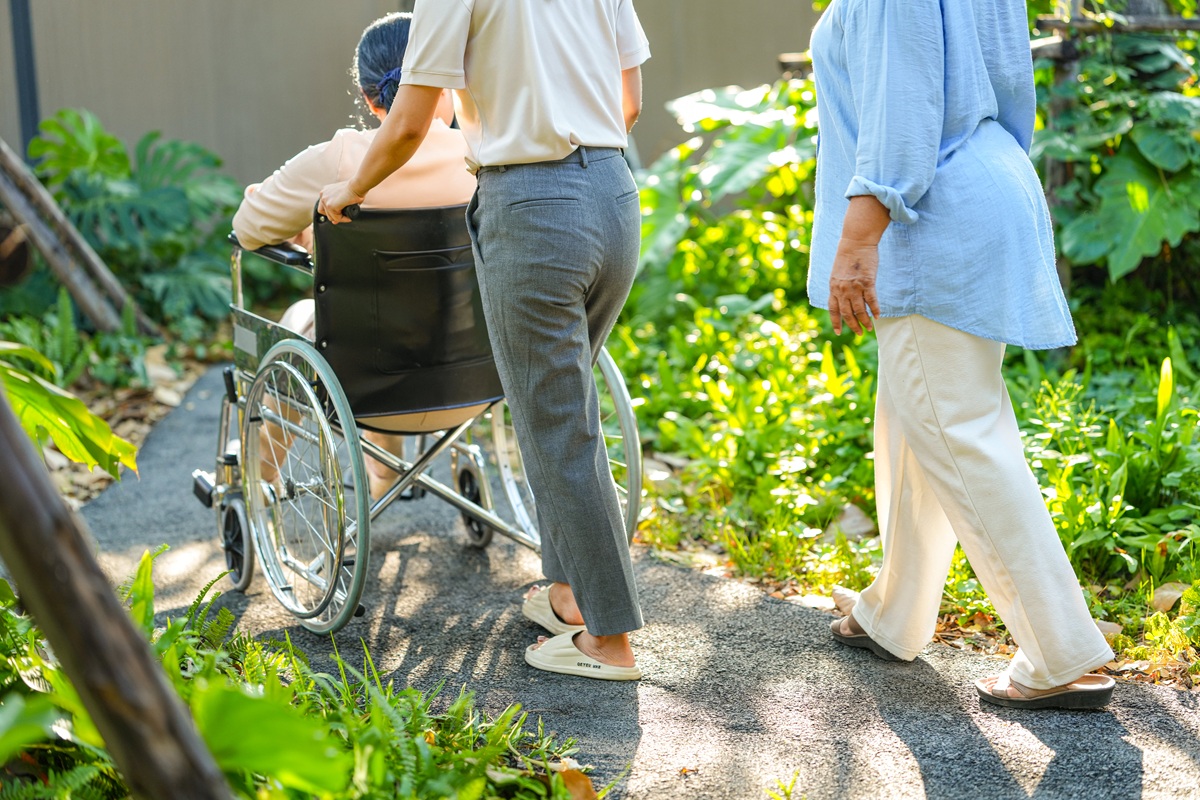
When families begin their senior living search, their first stop is to inspect the community indoors, checking how convenient and cozy life can be for their loved one. They even check the meals and activity calendar. What many families miss out on is evaluating the quality of the outdoor spaces and gardens. Gardens and walking paths in senior living communities aren’t just fancy amenities communities promote in brochures; they’re everyday essentials that benefit residents in multiple ways.
These aren’t just physical spaces; they’re therapeutic outlets that do more than offer pleasant scenery. Residents sit together in the shade, converse for a while, and take advantage of the restorative power of spending time outdoors. Listening to birds chirp, watching vibrant leaves flutter, and soaking up the sun’s warmth can do more for seniors’ health than you might imagine.
How Gardens And Walking Paths Support Senior Wellbeing
Among the various factors that help seniors live well, gardens and walking paths play a crucial role. The connection between nature and seniors’ well-being can’t be overstated. It’s not just about spending time outdoors but also about taking in the benefits nature offers. What may seem like a standard outdoor activity actually offers many more advantages. It has a social element and a physical wellness side, and it isn’t just about passing time.
Fosters Movement
While seniors are advised to practice gentle movement, it’s not always feasible. Working out indoors in the community fitness rooms may start to feel tedious for seniors. Taking fitness activities outdoors provides a welcome change for seniors. Gentle outdoor movement helps residents maintain mobility and balance, keep up their strength, and reduce risks they might otherwise face. Walking paths help seniors meet the recommended 30 minutes of moderate-intensity walking per day.
Provides Sunlight
There’s nothing like taking in the morning sunlight, especially for seniors who may face disruptions in their circadian rhythms due to aging. Spending time outdoors in bright sunlight helps seniors maintain healthy vitamin D levels. It also boosts morale and encourages physical movement. Residents can walk on the walking path, grow produce in gardens, and watch the plants grow.
Enhances Mood
Feeling depressed or simply low becomes a common concern for many aging seniors. Walking outside or gardening during the day supports serotonin production—a neurotransmitter that plays a key role in mood regulation. While in the sunlight, residents can also observe nature around them, which further supports mood and cognitive engagement. The natural, calming atmosphere can help seniors develop a deeper connection with nature.
Provides Sensory Benefits
Morning walks and gardening also provide sensory benefits. Walking in the early morning, hearing birds sing, and caring for plants offer a different kind of comfort. When combined with the warmth of the sun, it all comes together as a source of comfort that can’t be replicated, offering a different kind of calm and relaxation.
What Makes An Outdoor Space Senior-Friendly
Not all senior living outdoor spaces are built alike. While spaces can share some features, no two community outdoor spaces are identical. So what should families look for in an outdoor space to ensure it’s truly senior-friendly? Let’s find out.
Smooth Surfaces
A walking path isn’t just pavement you can walk on. It is a specialized walkway built to help seniors navigate the mobility challenges they may face as they age. Therefore, families must look for smooth, flat, evenly built surfaces that accommodate not only walking residents but also wheelchairs, walkers, and canes without creating tripping hazards. Having this will ensure residents don’t have to stroll down the street for a casual morning walk.
Handrails
Mobility issues can really mess up a senior’s health and fitness. To stay safe and supported while using outdoor spaces, they may need grab bars at times; otherwise, they may face safety risks that can be life-threatening. Whether it’s a raised patio or a garden area, it all needs to be properly safeguarded to ensure residents have easy, safe access. Look for gentle ramps with sturdy handrails that make it easier for seniors to transition between indoor common areas, patios, and garden beds.
Benches At Intervals
Not all seniors prefer walking miles continuously to complete their morning walk. They may need seating spots to rest and take a break. Families should look for strategically placed benches that encourage residents to pause, recharge, and continue. It also allows them to chat with peers and socialize to keep their energy high.
Shade
Another prominent feature to look for when evaluating a community’s outdoor spaces is shaded areas. Typically, communities offer shaded pavilions that protect residents from direct sun and extend use into warmer or shoulder seasons. Other shaded structures communities can have include pergolas, shaded courtyards, and large trees. Using these spaces, seniors can chat and plan their next gardening activities.
Lighting
Outdoors isn’t a space to use only in the morning. Evening walks are also great for seniors to support their health and spend time outdoors before heading indoors to call it a day. Therefore, it’s important to ensure adequate lighting in patios and walkways so low-vision residents can stroll in the evening.
Gardens And Paths As Places To Connect
Gardening and walkways in senior living communities also help residents build camaraderie. These vibrant social spaces promote one-of-a-kind, low-pressure interactions that lead to natural, lasting friendships. Conversations in these areas help seniors combat isolation and loneliness they might face in their later years.
Here are some of the ways gardens and walking paths can benefit residents.
Walking Groups
This is a great way to support physical wellness, where community residents regularly meet to walk together along designated indoor or outdoor paths. The key goal is to make daily movement a reliable part of their routine. By participating in these planned walks, residents go on short, guided walks that encourage social interaction. Participating in this activity as a group provides residents with built-in supervision, companionship, and a safety net where participants even start holding themselves accountable. The benefits? Better cardiovascular health, enhanced social wellness, and improved mental well-being.
Garden Clubs
Think of it as an extension of walking groups, where seniors come together to garden as a collective activity. This turns outdoor patios, raised beds, and even indoor greenhouses into active social and therapeutic hubs. Residents even hold friendly competitions and events, adding a fun angle to gardening. Some common examples include “largest tomato” or flower-arranging competitions, alongside seasonal gatherings like garden tours or harvest dinners.
Family Visits
Families’ community visits need not be limited to just lunches and dinners. They can plan visits for early mornings and late afternoons to enjoy shared activities like gardening and walking the paths. It’s one of the best ways for residents to maintain family connections. As their loved one visits, residents can show them the produce they have grown and share updates about their home.
Quiet Corners
It’s common for older adults to feel like they need some quiet time all by themselves at times. Undoubtedly, it feels great to be part of a community group that helps them find familiarity and loving companionship in their later years, even as they value moments of solitude. Walking paths and strolling through the gardens, or even gardening, gives seniors this exact opportunity they desire. From seeding a plant to witnessing it flower, it helps them reflect on the virtues of growth, development, and life itself.
What To Look For When You Tour
Touring a community gives families a real opportunity to determine whether it is a good fit for their loved one. By evaluating the outdoor spaces in person, particularly gardens and walkways, families can confirm whether the details in the brochure are actually available.
Here’s what you should look for while touring a community:
Are Residents Actually Outside?
- Look for signs of active daily use, such as outdoor furniture that looks lived-in, active gardening projects, or staff facilitating group walks.
- If the outdoor areas are completely deserted during pleasant weather, ask management how often and by whom the paths are used.
Is The Path Well Kept And Safe?
- Check for flat, smooth, non-slip surfaces free of tripping hazards like cracked concrete, deep gravel, or overgrown roots.
- Ensure primary walking paths are wide enough for two people or someone on a walker or wheelchair. Also check smooth transitions at doorways with no steep steps or heavy thresholds.
Is There Shade And Seating?
- Shaded seating is one of the most important elements of outdoor spaces. There must be pergolas, shaded courtyards, and mature trees that keep users safe from environmental threats.
- Benches and chairs should be placed frequently along the route, making it easy for residents to pause and rest between their strolls.
FAQ
- What makes a walking path safe for seniors?
A senior living walking path is safe when it is physically stable, free of hidden trip hazards, properly illuminated, and designed to support residents using canes, walkers, or wheelchairs. However, in memory care settings, the bar for safety is higher, as paths must loop safely within a secure perimeter to prevent residents from wandering off or becoming disoriented while still enjoying sensory engagement.
- How much time should seniors spend each day outdoors?
Experts recommend seniors spend at least 20 to 30 minutes outdoors each day to get the most health benefits. This amount of sunlight helps support circadian rhythms, which can improve sleep and overall wellness. It helps the body produce vitamin D and even lower stress.
- Can gardening help seniors with dementia?
Yes, gardening holds many benefits for seniors with dementia. Key benefits include reduced agitation and stress, stimulating the senses, triggering procedural memories, encouraging purpose and self-esteem, supporting gentle physical activity, and fostering connection.
- How can seniors with limited mobility enjoy gardens and outdoor spaces?
Senior living communities make various accommodations to help seniors with limited mobility enjoy gardens and outdoor spaces. They use accessible physical designs, adapted gardening, and low-effort sensory activities to make it easier for residents to participate in gardening.
- What are the benefits of sensory gardens for older adults?
Sensory gardens provide a wide range of physical, emotional, and cognitive benefits for older adults. By stimulating sight, smell, touch, sound, and taste through curated plants and paths, these spaces help reduce stress and anxiety, support cognitive stimulation and memory, encourage physical activity, foster social connection and community engagement, and improve overall well-being.
- What should families look for in outdoor spaces when choosing a senior living community?
Families should look for outdoor spaces that combine safety, accessibility, and comfort so their loved one can enjoy nature and stay active. Key accessibility and mobility features include wide, even pathways; ramps and handrails; frequent seating; and supportive furniture. The spaces must include safety and security features, such as non-slip surfaces and good lighting, enclosed courtyards, and clear transitions. It must offer adequate comfort and climate protection while providing engagement and lifestyle features.
Bayshire Torrey Pines—An Exceptional Senior Living Community
At Bayshire Torrey Pines, we understand that gardens and walking paths offer a wide range of benefits for seniors who want to enjoy a vibrant lifestyle in their golden years. These aren’t nice-to-haves, but essentials seniors need as part of their senior living experience. This helps seniors pursue goals like healthy aging, a thriving daily life, and overall well-being. Both gardening and walking paths are great tools for socialization, physical wellness, and longevity.
Families seeking a trusted senior living community for their aging parent can contact us at Bayshire Torrey Pines. Our outdoor spaces include a garden, sunroom, and verandas that support residents in living a fulfilling life while enjoying the companionship of peers. Seniors can grow plants in the garden, stroll there in the morning, and socialize in sunrooms and on verandas. They can live comfortably in their chosen apartments while our team of compassionate caregivers helps them live well.
Schedule a tour today to visit our campus and learn more about our on-site amenities and senior living community features. At Bayshire Torrey Pines, we do everything we can to promote a healthy, joyful living experience for our residents.
